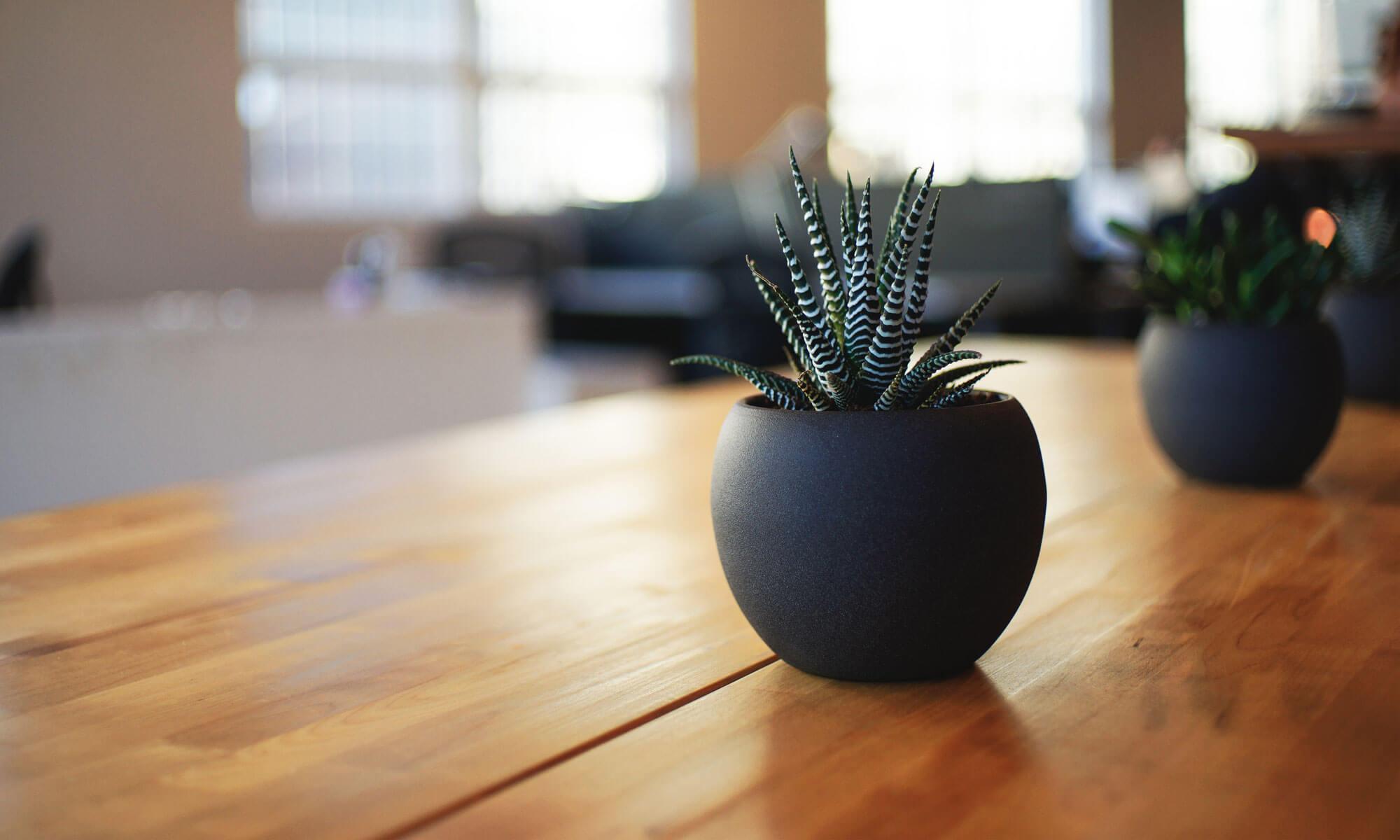
- Sophisticated tastes transform spaces through play regal and refined interior choices
- The Foundations of Regal Interior Design
- Color Palettes that Exude Royalty
- Furniture Choices for a Regal Aesthetic
- The Importance of Statement Pieces
- Lighting and Accessories: The Finishing Touches
- Curtains and Window Treatments
- Embracing the Royal Aesthetic in Smaller Spaces
- The Evolution of Regal Style and its Future
Sophisticated tastes transform spaces through play regal and refined interior choices
Creating a home that reflects personal style is a pursuit many undertake, and often, the key lies in embracing a sophisticated aesthetic. This isn't about ostentatious displays of wealth, but rather a considered approach to design – one that prioritizes quality, elegance, and a certain understated grandeur. Many people are discovering the power of incorporating elements that allow them to play regal, transforming everyday living spaces into environments that feel both luxurious and inviting. It's a shift away from purely functional design toward spaces that inspire and uplift.
The allure of regal design isn’t necessarily about recreating historical palaces or aristocratic manors. Instead, it’s about capturing the essence of those styles—the sense of timelessness, artistry, and refined taste—and adapting them to modern living. This can be achieved through a careful selection of fabrics, colors, furniture, and accessories, all working in harmony to evoke a feeling of stately comfort. The goal is to construct a space that feels deliberately crafted, a haven from the ordinary, and a testament to discerning sensibilities.
The Foundations of Regal Interior Design
At the heart of regal interior design lies a commitment to quality craftsmanship and enduring materials. Think rich woods like mahogany or walnut, opulent fabrics such as velvet and silk, and substantial detailing in architectural features. It's about investing in pieces that are built to last, both physically and aesthetically. Instead of fleeting trends, the focus is on classic designs that will remain elegant and relevant for years to come. This isn't to say that modern elements can’t be incorporated; rather, they should be chosen carefully to complement the overall sense of timeless sophistication. A key aspect is the thoughtful layering of textures and patterns, creating depth and visual interest without overwhelming the space. This approach ensures a balanced aesthetic, offering a refined area suitable for all.
Color Palettes that Exude Royalty
The color palette is crucial in establishing a regal atmosphere. Deep jewel tones—emerald green, sapphire blue, ruby red—are classic choices, evoking a sense of richness and drama. However, regal design doesn't necessarily mean dark colors; soft neutrals like cream, ivory, and pale gold can also create a luxurious feel, especially when paired with metallic accents. The key is to use color strategically, as a means of highlighting architectural features or adding pops of visual interest. Consider using a monochromatic scheme with varying shades of a single color for a sophisticated and cohesive look. Thoughtful application will contribute significantly to the overall effect.
| Color | Mood/Association |
|---|---|
| Deep Burgundy | Warmth, Luxury, Passion |
| Forest Green | Nature, Serenity, Sophistication |
| Royal Blue | Trust, Authority, Elegance |
| Antique Gold | Opulence, Tradition, Warmth |
The choice of metals also contributes to the overall impression. Gold, silver, and bronze accents can add a touch of glamour and refinement, particularly when used in lighting fixtures, mirror frames, or decorative objects. Remember restraint is valuable; too many shiny elements can quickly overwhelm a space and detract from the desired atmosphere. The strategic use of these metals is absolutely key.
Furniture Choices for a Regal Aesthetic
Furniture plays a central role in achieving a regal aesthetic. Pieces should be substantial and well-proportioned, with classic silhouettes and elegant detailing. Upholstery fabrics, such as velvet, brocade, or silk, add a touch of luxury and comfort. Look for furniture with ornate carvings, tufted backs, or gilded accents. Antiques or antique-inspired pieces can add character and a sense of history to the space, offering a distinctive touch. However, it’s important to mix antique and modern furniture carefully to avoid a cluttered or dated look. Contemporary pieces can be incorporated, but they should be chosen with an eye toward quality and design that complements the overall aesthetic. Careful consideration will lead to a room that evokes a sense of refined taste.
The Importance of Statement Pieces
Investing in a few key statement pieces can really elevate the regal aesthetic. This could be a grand chandelier, a striking armoire, or a beautifully carved console table. These pieces should be the focal point of the room, drawing the eye and setting the tone for the rest of the decor. Don’t be afraid to splurge on a piece that you truly love; a well-chosen statement piece can become a treasured heirloom, adding character and personality to your home for years to come. A good designer can help you identify the essential pieces and guide you toward options that fit your style and budget. This step is often the most impactful.
- A plush velvet sofa can become the centerpiece of a living room.
- An ornate mirror can amplify light and add a sense of spaciousness.
- A grand dining table can become a focal point for entertaining.
- A gilded accent chair can add a touch of glamour to a bedroom.
These elements, when carefully selected and placed, embody the spirit of a truly regal space. The key lies in balance and harmony—allowing each element to contribute to an overall atmosphere of refined elegance.
Lighting and Accessories: The Finishing Touches
Lighting and accessories are essential for creating the final layer of polish in a regal interior. Chandeliers are a natural choice, adding a touch of drama and grandeur. However, other types of lighting—such as sconces, table lamps, and floor lamps—can also be used to create a warm and inviting atmosphere. Look for fixtures with elegant shades and intricate designs. Accessories should be chosen carefully, with an eye toward quality and craftsmanship. Artwork, sculptures, and decorative objects can add personality and interest to the space. Mirrors are also an excellent choice, reflecting light and creating a sense of spaciousness. The strategic placement of these elements can drastically improve the ambience.
Curtains and Window Treatments
Window treatments play a crucial role in establishing a sense of drama and privacy. Heavy drapes in luxurious fabrics, like velvet or silk, can create a regal effect. Layering curtains with sheer panels allows you to control the amount of light entering the room and add depth to the window treatments. Valances and swags can also be used to add a touch of elegance. Consider incorporating intricate patterns or textures into the fabric. Tailoring the curtains to the specific dimensions of the windows ensures a polished and professional look. When executed properly, window treatments become an integral part of the overall design.
- Measure your windows accurately before ordering curtains.
- Choose fabrics that complement the overall color scheme.
- Consider layering curtains for added depth and functionality.
- Use a professional seamstress for custom tailoring.
- Don’t be afraid to experiment with different patterns and textures.
These steps will contribute to an elegant and cohesive window treatment scheme, offering both aesthetic appeal and practical functionality.
Embracing the Royal Aesthetic in Smaller Spaces
Achieving a regal look doesn’t require a sprawling mansion. Even smaller spaces can benefit from these design principles, albeit with a more focused approach. Prioritize quality over quantity, and choose a few key pieces that make a statement. For example, a beautifully upholstered armchair or a striking piece of artwork can become the focal point of a small living room. Utilize vertical space by adding tall bookshelves or elegant curtains. Mirrors can also be used to create the illusion of more space. And don’t be afraid to embrace rich colors and textures, even in a small room. A carefully curated selection of elements can transform even the most modest space into a regal retreat.
The key is to focus on creating a sense of intimacy and refinement, rather than trying to replicate the grandeur of a large palace. A layer of texture is invaluable in smaller areas.
The Evolution of Regal Style and its Future
The concept of “regal” style has evolved considerably over time, and continues to do so. While historically associated with overt displays of wealth and power, today’s interpretation emphasizes understated elegance and enduring quality. There’s a growing trend toward incorporating sustainable materials and ethical production practices, reflecting a more conscious approach to luxury. We are seeing a shift toward personalized spaces that reflect individual tastes, rather than simply adhering to traditional rules. This modern take on regal design acknowledges the past while embracing the future, creating homes that are both beautiful and meaningful. For example, a recently completed project in London incorporated reclaimed wood and antique textiles with contemporary furniture, resulting in a space that felt both luxurious and eco-friendly. This approach demonstrates the potential for blending tradition and innovation in harmonious ways.
The future of regal design lies in its adaptability and its ability to resonate with a new generation of homeowners who value authenticity, sustainability, and personal expression. The art of creating a home that allows one to play regal is about creating an environment that reflects one’s own unique taste and values – a space that is both beautiful and deeply personal.